
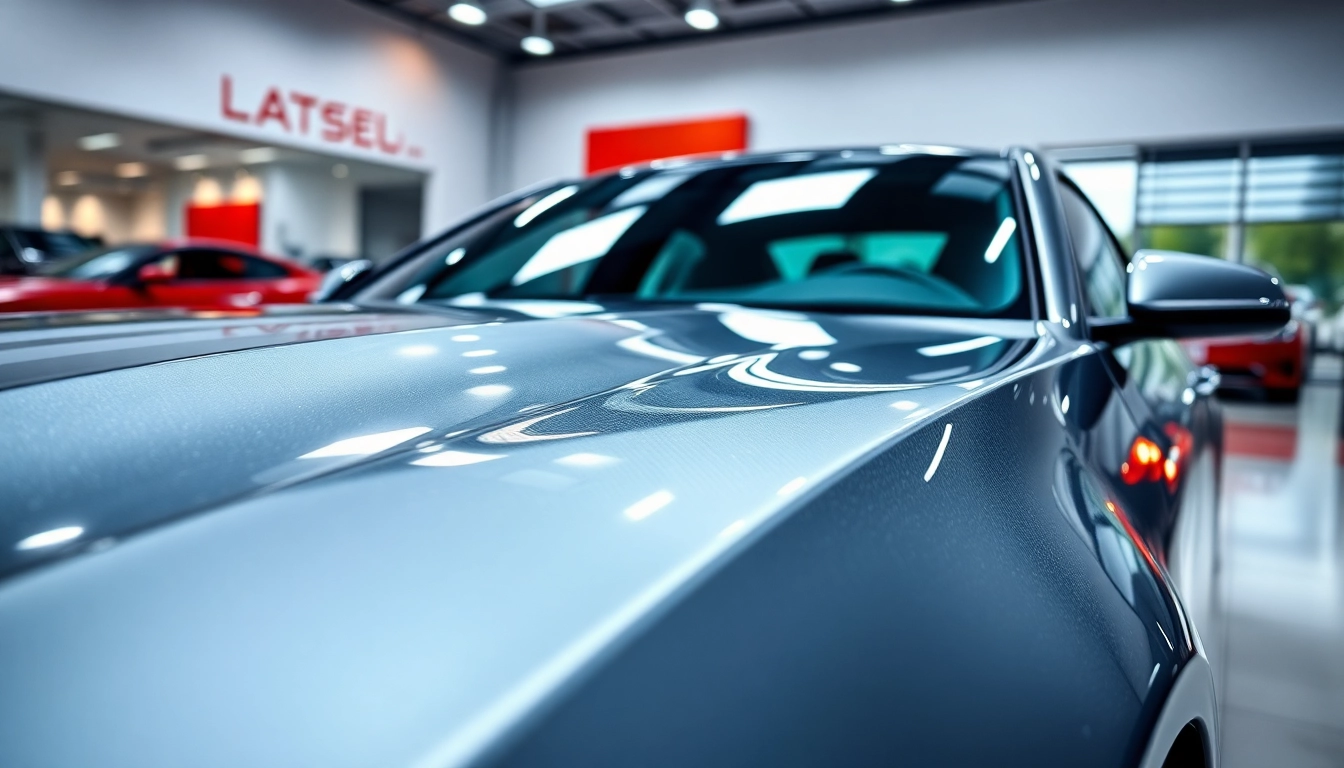
Understanding Paint Protection Film
What is Paint Protection Film?
Paint Protection Film (PPF) is a transparent polyurethane material applied to the surfaces of vehicles to protect their paint from scratches, chips, and other forms of damage. It acts as a barrier against environmental factors such as UV rays, bird droppings, tree sap, and road debris. Often referred to as clear bra, PPF is a proactive measure to maintain the aesthetic appeal and resale value of your vehicle. This innovative solution is becoming increasingly popular among car enthusiasts and everyday drivers alike, making the search for paint protection film near me more prevalent.
Benefits of Using Paint Protection Film
There are several compelling benefits to consider when assessing the value of paint protection film.
- Durability: PPF is designed to withstand the rigors of road use, providing long-lasting protection for your vehicle’s paint.
- Self-Healing Properties: Some modern films feature self-healing technology, which allows minor scratches to disappear over time with heat exposure.
- Ease of Cleaning: The smooth surface of PPF makes it easier to clean and maintain compared to untreated surfaces.
- Increased Resale Value: Keeping the paintwork intact helps maintain the vehicle’s value, providing a better return on investment when it comes time to sell or trade it in.
Common Myths Debunked
Despite its growing popularity, several myths surrounding paint protection film persist. Let’s debunk some common misconceptions:
- Myth #1: PPF is Only for Luxury Cars: In reality, anyone who wants to protect their vehicle can benefit from PPF, regardless of its price.
- Myth #2: PPF is Obvious and Unsightly: Advances in technology have made PPF nearly invisible when installed correctly, ensuring a seamless look.
- Myth #3: Installation is Too Complicated: While professional installation is advisable, there are DIY kits available that simplify the process for the adept car owner.
Types of Paint Protection Film
Self-Healing Films
Self-healing films utilize advanced technology that allows the surface to recover from minor scratches and swirl marks when exposed to heat. This feature makes them a popular choice for car owners who want to maintain a pristine look without constant upkeep. The healing process generally occurs when the film is warmed up, either by sunlight or a heat source, enabling the material to restore its original form.
Matte vs. Glossy Finishes
When it comes to choosing a paint protection film, one important decision is the finish: matte or glossy. Matte films lend a unique, non-reflective appearance, which is ideal for cars with a matte paint job or those looking for a stealthy look. Glossy finishes, on the other hand, enhance the vehicle’s shine, mimicking a freshly waxed appearance. Ultimately, your choice should align with the aesthetic you desire for your vehicle.
Considerations for Choosing the Right Film
Selecting the ideal paint protection film involves evaluating several factors:
- Type of Vehicle: Consider the vehicle’s usage and exposure to environmental hazards. Off-road and high-performance vehicles might require a more robust film.
- Finish Preference: Decide whether you prefer a matte or glossy look, as this affects overall appearance.
- Budget: Research the costs associated with various films, as higher-end options often include superior features.
Installation Process of Paint Protection Film
DIY vs. Professional Installation
The installation of paint protection film can be approached in two ways: do-it-yourself (DIY) or professional installation. DIY kits are available for those with sufficient knowledge and skills. However, professional installers often have access to superior materials and techniques, ensuring a flawless finish. It’s generally recommended to opt for a professional installation if you are unfamiliar with the process, as improper application can lead to bubbles, wrinkles, and reduced effectiveness.
Preparing Your Vehicle for Installation
Before applying the paint protection film, it’s crucial to prepare your vehicle properly:
- Thorough Cleaning: Wash and dry the vehicle meticulously to remove dirt, wax, and residues that may impede adhesion.
- Inspect for Imperfections: Address any paint chips, scratches, or damage prior to installation, as these will become more visible post-application.
- Controlled Environment: Install the film in a dust-free environment at moderate temperatures to achieve optimal results.
Post-Installation Care Tips
After installation, proper maintenance is essential for the longevity of paint protection film. Here are some tips:
- Avoid washing the vehicle for at least 48 hours to allow the adhesive to cure fully.
- Use a gentle car wash soap and microfiber cloths for routine cleaning, avoiding harsh chemicals.
- Perform regular inspections to identify and address any issues early.
Cost Analysis of Paint Protection Film
Factors Affecting the Cost
The cost of paint protection film installation can vary significantly based on several factors:
- Type of Film: Higher-quality films with advanced features such as self-healing or hydrophobic properties typically come with a higher price tag.
- Vehicle Size: Larger vehicles require more material, increasing installation costs accordingly.
- Professional Labor: The experience and reputation of the installer can also influence the price.
Comparing Long-Term Savings
While the upfront cost of paint protection film might seem daunting, it can lead to significant savings in the long run. By preventing damage to the vehicle’s paint, you can avoid costly repainting and maintenance services. Furthermore, maintaining a vehicle that appears new can also lead to higher resale values, thereby offsetting the initial investment in paint protection film.
Financing Options for Film Installation
For those concerned about the cost of installation, various financing options are available. Many installers offer payment plans or financing arrangements that split the cost into manageable monthly payments. Additionally, some credit cards provide cash-back or bonus points for automotive services, providing further incentives to protect your investment.
Maintaining Your Paint Protection Film
Routine Cleaning and Care
Regular maintenance is critical to extending the life of your paint protection film. Routine washing with pH-balanced soap and soft cloths is recommended. Avoid using automatic car washes with scrub brushes, as these can scratch the film. Instead, hand wash your vehicle whenever possible. Additionally, waxing the film regularly can enhance its shine and protect against UV rays.
When to Seek Professional Help
While many maintenance tasks can be performed by the vehicle owner, certain situations warrant professional intervention. If you notice significant discoloration, peeling, or bubbling, it’s crucial to consult with a professional installer to assess whether repairs or replacement are necessary.
Signs You Need to Replace Your Film
Over time, paint protection film can deteriorate, especially if not maintained properly. Some signs that indicate you may need to replace your film include:
- Visible yellowing or fading of the film
- Bubbling or loosening from the substrate
- Severe scratches or damage that cannot be repaired
Frequently Asked Questions
1. How long does paint protection film last?
Most paint protection films can last between 5 to 10 years, depending on exposure conditions and maintenance practices.
2. Can paint protection film be removed?
Yes, PPF can be safely removed by a professional without damaging the underlying paint.
3. Will paint protection film change the appearance of my car?
High-quality PPF is designed to be nearly invisible, maintaining the vehicle’s original appearance whether matte or glossy.
4. Is paint protection film worth the investment?
Yes, considering the protection it offers against physical damage and UV effects, it can save money on repainting and maintenance.
5. How should I clean my paint protection film?
Use pH-balanced car wash soap and soft microfiber towels to gently clean the film, avoiding harsh chemicals and methods.
